
Humidity Control Systems: Complete Guide to Indoor Air Quality
Maintaining optimal indoor air quality requires effective humidity control systems that regulate moisture levels in your living and working spaces. Whether you’re dealing with excess humidity causing mold growth or dry air triggering respiratory problems, proper humidity control is essential for comfort, health, and structural integrity. This comprehensive guide explores everything you need to know about humidity control solutions, from understanding relative humidity to choosing the right control systems for your specific needs.
Modern humidity control systems have evolved significantly, offering energy efficient solutions that maintain ideal moisture levels while reducing operational costs. Understanding how these systems work and their benefits will help you create a healthier environment for your home or business.
What Are Humidity Control Systems?
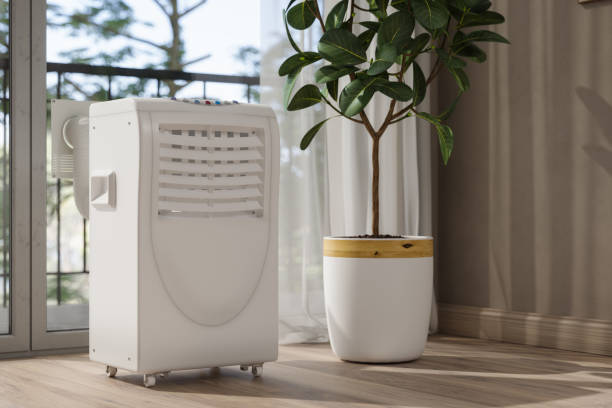
Humidity control systems are specialized equipment designed to regulate and maintain optimal moisture levels in indoor environments. These control systems work by either removing excess moisture through dehumidification or adding humidity when air becomes too dry through humidifying operations.

The primary goal is maintaining relative humidity between 30-50%, which prevents both low and high humidity problems. These systems integrate with your existing HVAC system or operate independently to control humidity effectively using sensors that monitor conditions continuously and automatically adjust their functionality to maintain the desired range.
Why Proper Humidity Control Matters for Your Health and Home
Maintaining humidity control protects both your health and your property’s structural integrity. When humidity levels fall outside the optimal range, numerous problems emerge that affect your comfort, safety, and wallet.
Health Impacts of Poor Humidity Control:
- Excess Humidity Effects: Promotes mold growth, bacterial growth, and mildew development, triggering respiratory problems, allergies, and asthma attacks
- Low Humidity Effects: Damages respiratory systems, causes skin irritation, increases infection susceptibility, and dries out nasal passages
- Optimal Range Benefits: Maintaining 30-50% relative humidity creates a healthy environment that supports respiratory health and overall well-being
Property Protection Through Humidity Control:
Excessive moisture threatens your building’s structural integrity through water vapor penetration that causes wood to warp, rot, and decay. Humidity control systems prevent costly damages by maintaining optimal moisture levels consistently:
- Mold and mildew growth on walls, ceilings, and furnishings
- Corrosion of metal components and electrical equipment
- Condensation damage affecting windows, insulation, and building materials
- Paint peeling, wallpaper deterioration, and electrical faults
Understanding what is HVAC helps you see how humidity management integrates with overall climate control to protect your investment.
Types of Humidity Control Systems
Different humidity control solutions serve various needs, spaces, and budgets. Understanding available options helps you select the most cost effective system for your situation.
| System Type | Best For | Coverage | Key Benefits |
|---|---|---|---|
| Portable Dehumidifiers | Single rooms, basements | 500-3000 sq ft | Easy installation, flexible placement, affordable |
| Whole-House Dehumidifiers | Entire home | Unlimited | Energy efficient, automatic operation, HVAC integration |
| Portable Humidifiers | Bedrooms, offices | 300-1000 sq ft | Affordable, easy to move, no installation |
| Whole-House Humidifiers | Entire home | Unlimited | Consistent coverage, energy efficient, low maintenance |
| Integrated HVAC Systems | Residential/commercial buildings | Unlimited | Comprehensive control, smart features, optimal efficiency |
Dehumidification Systems remove excess moisture from indoor air, making them essential for damp environments and humid climates. Dehumidifiers for home provide targeted moisture control where needed most, while whole-house systems integrated with HVAC equipment treat your entire space simultaneously. Check out dehumidifiers for cooler home solutions that maintain comfort while controlling moisture effectively.
Humidification Systems add humidity when air becomes too dry, particularly important during winter months when heating systems dry indoor air. Options include steam humidifiers that generate pure steam, evaporative systems that use moisture-saturated pads, and ultrasonic units that create fine mist. Explore humidifiers for dry air to find solutions matching your specific requirements.
Integrated HVAC Humidity Control provides coordinated temperature control and moisture management through automated adjustments, zone-specific control, and comprehensive air quality management. Learn more about best home HVAC system options that incorporate advanced humidity control features.
How Humidity Control Systems Work
Understanding the processes behind humidity control helps you appreciate these systems’ sophistication. Dehumidifiers extract moisture through condensation—units cool air below its dew point, causing water vapor to condense on cold coils. Advanced humidity control systems monitor relative humidity continuously using precise sensors, activating automatically when humidity exceeds setpoints.

Humidification adds carefully controlled amounts of water vapor to dry air. Evaporative systems pass air through water-saturated media, steam systems introduce pure steam, and ultrasonic systems create microscopic droplets that instantly evaporate. Smart humidity control systems integrate with building automation, coordinating with heating and ventilation for optimal energy efficiency.
Benefits of Installing Humidity Control Systems
Investing in proper humidity control delivers numerous advantages. Humidity control systems dramatically enhance indoor air quality by maintaining conditions hostile to mold, mildew, bacteria, and dust mites. Maintaining relative humidity between 40-50% minimizes airborne virus survival and respiratory infection rates.
Energy efficient humidity control systems reduce heating and cooling costs significantly. During summer, controlled humidity makes higher temperatures feel cooler, while in winter, adequate humidity makes lower temperatures feel warmer. Modern solutions typically pay for themselves through energy savings within a few years while protecting wood furniture, musical instruments, artwork, and documents from moisture damage.
Selecting the Right Humidity Control Solution
Choosing appropriate humidity control systems requires analyzing your specific needs. Begin by measuring current humidity levels using portable hygrometers to identify problem areas. Consider your space’s volume, layout, and usage patterns, as large open areas require different solutions than multiple small rooms.

Evaluate existing ventilation systems and what is ventilation in your building. Issues with poor ventilation can exacerbate humidity problems, creating stagnant air that promotes mold growth. Match system capacity to your space’s requirements—undersized systems run continuously without achieving desired results. Contact Callidus Air for expert evaluation and recommendations.
Modern humidity control systems integrate seamlessly with existing HVAC installations, providing centralized control, whole-building coverage, and enhanced energy efficiency. Explore ventilation systems that complement humidity control for comprehensive indoor air quality management.
Maintaining Your Humidity Control Systems
Regular maintenance ensures humidity control systems operate efficiently throughout their service life.
Essential Maintenance Tasks:
- Filter Replacement: Change or clean filters monthly or according to manufacturer recommendations
- Component Cleaning: Remove dust, mineral deposits, and debris from sensors, coils, and mechanical components
- Drainage Checks: Ensure condensate drains flow freely without clogs to prevent bacterial growth
- Sensor Calibration: Verify humidity sensors provide accurate readings; sensors drift over time
- Leak Inspection: Check connections, hoses, and reservoirs for moisture leaks
Annual professional inspection identifies potential issues before they become costly repairs. If your system experiences unexpected failures, emergency HVAC repair services can quickly restore comfort and prevent further damage to your property.
Common Humidity Control Problems and Solutions
If your system runs constantly without achieving target humidity, causes may include insufficient capacity, air leaks around windows and doors, poor insulation, or excessive ventilation. Address these by sealing air leaks, improving insulation, and adjusting ventilation rates. If problems persist, consult with Callidus Air professionals for comprehensive evaluation.

Energy Consumption Issues:
- Dirty filters forcing systems to work harder
- Refrigerant leaks reducing cooling efficiency
- Poorly calibrated sensors causing unnecessary operation
- Incorrect setpoints maintaining unrealistic humidity targets
Uneven humidity distribution indicates poor airflow, inadequate ductwork, or improperly located equipment. Zone systems or strategically placed portable units can supplement whole-house systems, ensuring balanced conditions throughout your space. Remember that too much moisture in specific areas while other zones remain dry indicates distribution challenges requiring professional attention.
Industry Applications of Humidity Control Systems
Beyond residential comfort, humidity control systems play critical roles across numerous industries. Electronics manufacturing requires precise humidity control preventing static discharge, while pharmaceutical production maintains specific ranges ensuring product stability. Museums, libraries, and archives implement strict humidity control preserving invaluable artifacts through prevention of mold growth and material degradation.
Healthcare facilities and research laboratories maintain humidity within narrow ranges supporting patient health and ensuring reproducible experiments. According to the Environmental Protection Agency, maintaining indoor relative humidity between 30-50% significantly reduces dust mites, mold growth, and other indoor air quality concerns affecting health.
Advanced Features in Modern Humidity Control Systems
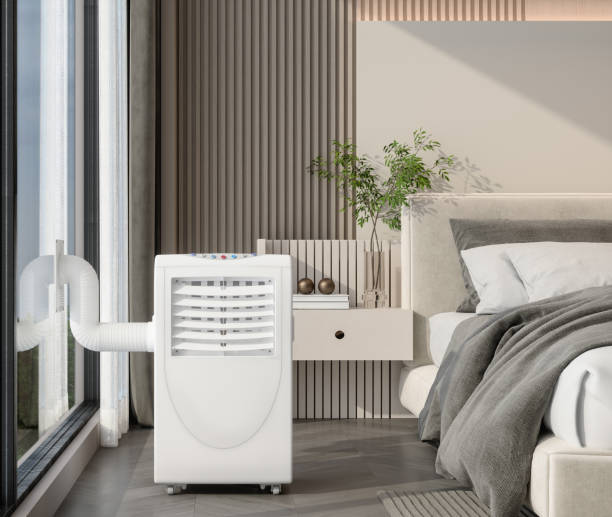
Contemporary humidity control systems incorporate sophisticated technology delivering superior performance. Modern systems connect to smart home platforms, allowing remote monitoring and control via smartphones. Receive alerts when humidity exceeds acceptable ranges and integrate with other devices for coordinated climate management.
Advanced systems learn your patterns and preferences, automatically optimizing operation for maximum comfort. They anticipate humidity changes based on weather forecasts, adjusting operation to prevent problems before they occur. Research from the National Institute of Environmental Health Sciences demonstrates that optimized indoor environmental quality significantly improves cognitive function, productivity, and health outcomes.
Energy Efficient Humidity Control Strategies
Maximizing energy efficiency while maintaining effective humidity control reduces operational costs. Set realistic humidity targets—maintaining 40-50% relative humidity allows greater efficiency while preventing mold growth.
Coordinate humidity control systems with HVAC operation for maximum efficiency. Variable-speed HVAC equipment improves humidity control by running longer at lower speeds, removing more moisture than conventional systems. Balance ventilation rates with humidity control system capacity, ensuring adequate fresh air without overwhelming dehumidification equipment. ENERGY STAR provides guidelines for selecting energy efficient systems and optimizing operation for maximum savings.
In Summary
Effective humidity control systems are essential investments protecting your health, property, and comfort. Whether addressing excess humidity threatening mold growth or adding humidity to combat dry air, proper moisture control creates healthier environments while delivering significant energy efficiency benefits. Modern control systems offer sophisticated features, seamless HVAC integration, and smart technology making humidity management effortless.
Ready to optimize your indoor environment with professional humidity control systems? Contact us at Callidus Air today for expert consultation, system design, and installation services. Our experienced team will assess your specific needs and recommend the perfect humidity control solution ensuring comfort, health, and efficiency for years to come. Visit Callidus Air to explore our complete range of indoor air quality solutions.
Frequently Asked Questions About Humidity Control Systems
What is the ideal relative humidity level for homes?
The ideal indoor relative humidity ranges from 30-50%, with 40-45% considered optimal for most residential applications. This range prevents mold growth while maintaining comfort and preventing respiratory problems. Winter months may require slightly lower targets (30-40%) to prevent condensation on windows, while summer allows higher levels (40-50%) without moisture issues.
How much do humidity control systems cost to operate?
The cost to install and operate humidity control systems varies significantly depending on your service provider, system type, and space requirements. Portable units generally have lower upfront costs and simple operation, while whole-house systems integrated with HVAC equipment require professional installation but often provide better long-term value through improved energy efficiency. For accurate pricing tailored to your specific needs, consult with qualified HVAC professionals who can assess your space and recommend appropriate solutions.
Can I install humidity control systems myself?
Portable units require no professional installation—simply plug in and operate. However, whole-house humidity control systems integrating with HVAC equipment require professional installation ensuring proper sizing, ductwork integration, drainage, and electrical connections. Professional installation maximizes performance, safety, and efficiency while protecting manufacturer warranties.
How often should humidity control systems be serviced?
Professional inspection and maintenance should occur annually, preferably before peak usage seasons. Homeowners should perform monthly filter cleaning or replacement and periodically clean accessible components. Regular maintenance extends equipment life, maintains efficiency, and prevents costly breakdowns.
Do humidity control systems help with allergies and asthma?
Yes, maintaining proper humidity significantly reduces allergens and asthma triggers. Humidity below 50% inhibits dust mite survival, mold growth, and bacterial proliferation—all common allergen sources. Properly controlled humidity creates an environment less hospitable to allergens while maintaining comfortable conditions for respiratory health.