
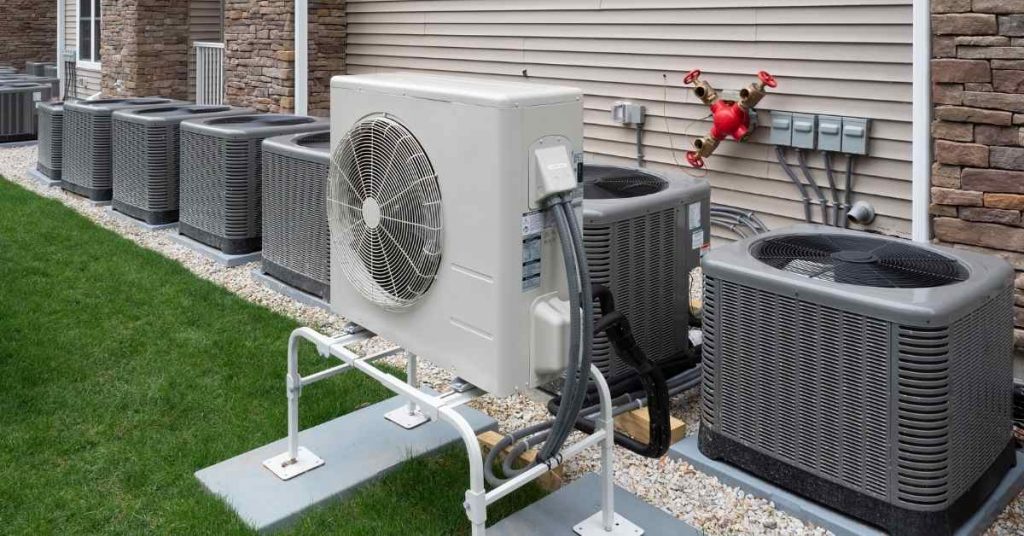
Heat Pump vs AC: Which System Is Best for Your Home?
Choosing between a heat pump vs AC is one of the most crucial decisions homeowners face when upgrading their HVAC system. While both systems provide excellent cooling during warm summer months, they differ significantly in functionality, energy efficiency, and long-term costs. A traditional air conditioner exclusively cools your home, while a heat pump offers dual functionality—providing both heating and cooling year-round from a single unit.
Understanding the primary difference between these systems is essential for making an informed decision that suits your climate, budget, and energy goals. This comprehensive comparison examines everything from installation costs and energy consumption to performance in cold climate conditions and environmental impact. Whether you’re replacing an existing system or installing new HVAC equipment, this guide helps you determine the best solution for your specific circumstances and achieve optimal indoor comfort.
Understanding How Heat Pumps and Air Conditioners Work
Both heat pumps and air conditioners share the same components and operate using similar principles during cooling mode. They absorb heat from indoor air and transfer it outside. The key difference lies in the reversing valve—a component that allows heat pump systems to reverse their operation for heating.
During warmer months, both systems work identically. The outdoor unit contains a compressor that pressurizes refrigerant, which flows through the evaporator coil inside your home. As warm indoor air passes over this cold coil, heat energy transfers to the refrigerant, which carries it outside where it’s released.
A heat pump works differently from traditional heating systems. Instead of generating heat through combustion like a gas furnace or oil furnace, it extracts heat energy from outside air—even in cold temperatures—and transfers it indoors. The reversing valve switches refrigerant flow direction, turning your cooling system into an efficient heating component. This process of absorbing heat from outdoor air uses significantly less energy than electric heat or fossil fuel systems.
Modern heat pumps can effectively extract heat from outside air down to temperatures around 25°F, though performance varies depending on the model. For extremely cold winters, some homeowners pair heat pumps with a separate heating system in a dual fuel system configuration for optimal efficiency.
Heat Pump vs AC: Key Differences Explained
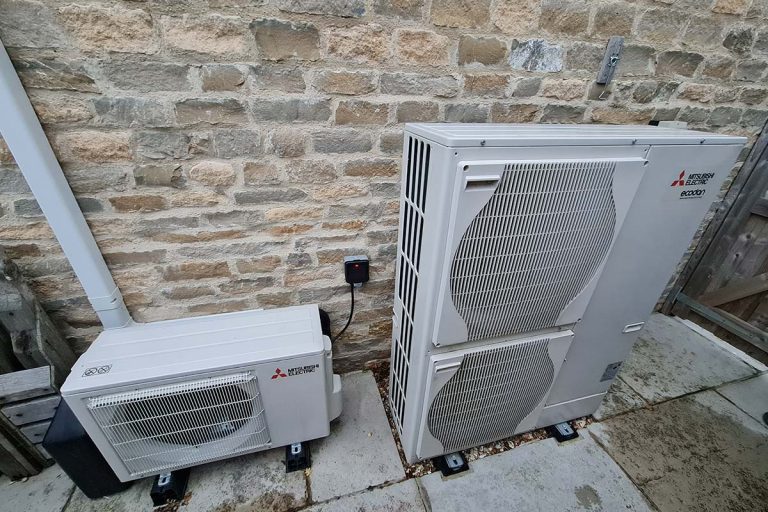
Choosing between a heat pump and an air conditioner involves understanding their distinct functions and benefits. This section breaks down the key differences to help you decide which system suits your home best.
| Feature | Air Conditioner | Heat Pump System |
| Cooling Capability | Cools your home during summer | Provides cooling identical to traditional air conditioners |
| Heating Capability | No heating capability; requires a separate furnace or heating system | Provides both heating and cooling from one unit |
| Year-Round Operation | No | Yes, operates year-round |
| Heating Method | Separate system using gas, oil, propane, or electricity | Uses a reversing valve to absorb heat from cold outside air and transfer heat indoors |
| System Complexity | Requires separate heating and cooling systems | Single unit with dual functionality |
| Comfort Provided | Cooling only | Comprehensive year-round comfort |
Energy Efficiency Comparison
| Aspect | Air Conditioner | Heat Pump System |
| Energy Efficiency Measure | Seasonal Energy Efficiency Ratio (SEER) | Seasonal Energy Efficiency Ratio (SEER) plus heating seasonal performance factor (HSPF) |
| Cooling Efficiency | Comparable to heat pumps | Comparable to air conditioners |
| Heating Efficiency | Requires a separate heating system burning fossil fuels or electric resistance | Transfers heat, typically uses half the electrical energy of electric resistance heaters |
| Energy Consumption | Higher during the heating season due to a separate heating system | Lower energy consumption, resulting in lower energy bills during colder months |
| Environmental Impact | Higher due to separate fossil fuel heating | Lower carbon footprint due to electric heating and cooling |
According to the U.S. Department of Energy, heat pumps can reduce electricity consumption for heating by approximately 50% compared to electric resistance heating, dehumidify better than central air conditioning systems, and provide enhanced indoor air quality.
Cost Analysis: Heat Pump Cost vs Air Conditioner Cost
Initial Investment and Installation
| System Type | Equipment Cost | Installation Range | Total Initial Cost |
| Central Air Conditioner | $2,500-$5,000 | $2,000-$4,000 | $4,500-$9,000 |
| Heat Pump | $4,000-$8,000 | $2,500-$5,000 | $6,500-$13,000 |
| Gas Furnace + AC | $5,000-$10,000 | $4,000-$7,000 | $9,000-$17,000 |
Air conditioner cost for a central system typically ranges from $4,500 to $9,000 installed, covering the outdoor unit, indoor air handler or evaporator coil, refrigerant lines, and labor. However, this investment only provides cooling—you’ll need a separate furnace for winter.
Heat pump cost averages $6,500 to $13,000 for a complete heat pump installation. While this represents a higher upfront cost compared to a standalone air conditioner, you’re essentially purchasing both heating and cooling in one system. When you compare the combined cost of installing both a new AC and a separate furnace, heat pumps often prove more cost-effective.
Several factors influence final installation costs: system capacity, efficiency ratings, existing ductwork condition, required electrical upgrades, and whether you’re replacing or upgrading an existing system. A trained HVAC professional can assess your home’s specific needs.
Operating Costs and Energy Bills
Monthly operating costs depend on usage patterns, energy prices, climate, and system efficiency. Heat pumps’ efficiency in moderate climates can result in significant savings. Homeowners in regions with mild winters often save money on heating costs compared to gas furnaces or electric heat alternatives.
In cold climate areas where outdoor temperatures drop below 25°F frequently, heat pump efficiency decreases as the system works harder to extract heat from frigid outside air. Some systems automatically switch to supplemental electric heat during extremely cold temperatures, increasing energy consumption and costs.
Climate Considerations: Which System Works Best Where?
Moderate and Warm Climates
In regions with mild winters and warm summers, heat pump systems excel as the best system choice. They efficiently handle cooling during hot months while providing adequate heating when outdoor temperatures remain above freezing. The ability to both heat and cool from one unit offers convenience and cost savings in these moderate climates.
Air source heat pumps installed in warm regions operate at peak efficiency year-round. Lower heating demands mean the system rarely struggles with cold-weather performance limitations. Homeowners in southern states and coastal areas with temperate winters generally achieve the best results and maximum long-term savings with heat pump installation.
Cold Climate Performance
Cold climate heat pump technology has advanced significantly. Modern units equipped with enhanced vapor injection and variable-speed compressors maintain heating capacity down to -15°F or lower. These cold climate models cost more initially but effectively provide heating in regions previously considered unsuitable.
However, in areas experiencing extremely cold winters with prolonged periods below 0°F, heat pumps typically require backup heating through dual fuel systems (pairing a heat pump with a gas furnace), electric heat strips, or maintaining a separate furnace as backup.
Traditional air conditioners paired with natural gas, propane, or oil furnaces remain popular in cold regions, ensuring reliable heating regardless of how low temperatures fall.
System Performance Table
| Climate Type | Best System | Key Advantage | Potential Challenge |
| Hot & Humid | Either system | AC may cost less initially | A heat pump offers heating if needed |
| Moderate | Heat pump | Year-round efficiency | None significant |
| Cold (above 0°F average) | Cold climate heat pump | Energy savings vs gas | Higher initial cost |
| Extreme cold (below 0°F) | Dual fuel or AC + furnace | Reliable heating | Higher operating costs |
Energy Efficiency and Environmental Impact
Both systems use SEER ratings for cooling efficiency, but heat pumps add heating seasonal performance factor (HSPF) ratings to measure heating efficiency. Higher ratings indicate more energy-efficient operation.
Modern heat pumps achieve SEER ratings from 14 to 25+, with the most energy-efficient models exceeding 20 SEER. For heating, top-tier units reach HSPF ratings of 10 or higher.
Air conditioning systems range from 14 to 22 SEER for cooling performance. When paired with a high-efficiency gas furnace (95+ AFUE rating), the combination provides excellent year-round comfort, though separate systems require more space, additional maintenance, and typically installed ductwork for both units.
Heat pumps present a lower carbon footprint in many cases because they run on electricity rather than burning fossil fuels directly. As the electrical grid incorporates renewable energy sources, the heat pump’s environmental impact continues to improve. This future-proof technology positions homes for cleaner operation.
The all-electric nature of heat pumps eliminates combustion byproducts, improving indoor air quality by eliminating risks from carbon monoxide and combustion gases.
Federal tax credits and local rebates often incentivize heat pump installation, recognizing their environmental benefits. The Database of State Incentives for Renewables & Efficiency provides comprehensive information about available programs.
Installation Requirements and Considerations
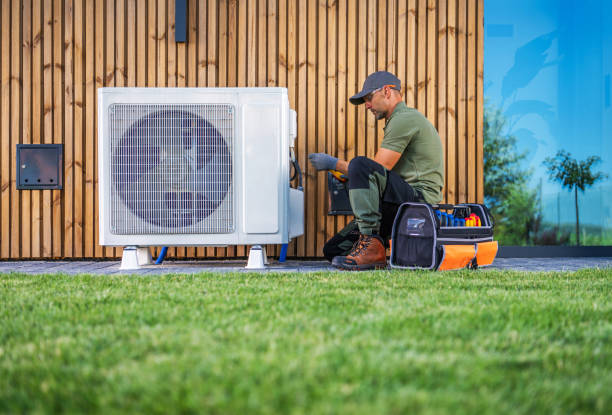
Central air conditioning and ducted heat pump systems both require ductwork to distribute conditioned air. If your home already has ducts from an existing HVAC system, installation becomes more straightforward. Homes without ductwork face significantly higher costs for adding this infrastructure.
Ductless heat pump systems, also called mini-splits, eliminate ductwork requirements. These units connect outdoor compressors to indoor air handlers mounted on walls or ceilings, offering flexibility for additions, renovations, or homes where installing ducts proves impractical.
Heat pumps generally require more electrical capacity than air conditioners because they also provide heating. Your electrical panel must handle the increased load, sometimes necessitating electrical upgrades or wiring improvements. A trained HVAC professional evaluates your electrical system to determine if upgrades are necessary.
System capacity must match your home’s heating and cooling needs. Factors include square footage, insulation quality, window types, local climate, and ceiling height. Professional load calculations ensure proper equipment selection for optimal performance and longevity. Learn more about equipment selection in our guide on how to choose an HVAC system.
Making Your Decision: Heat Pump vs AC
When Heat Pumps Make Sense
Choose a heat pump if you:
- Live in moderate climates with winters above 25°F most days
- Want to eliminate separate heating and cooling systems
- Prioritize energy savings and lower carbon footprint
- Need to replace both heating and cooling equipment
- Can invest in a higher initial cost for long-term savings
- Qualify for federal tax credits or local rebates
Heat pump installation delivers the best solution for comprehensive heating and cooling from one efficient system, potentially saving money on maintenance, repairs, and energy bills over the system’s lifespan.
When Air Conditioners Make Better Sense
Choose an air conditioner with a separate furnace if you:
- Experience extremely cold winters requiring reliable heating
- Already have an efficient gas furnace in good condition
- Access low-cost natural gas or propane
- Need only cooling replacement currently
- Prefer proven technology for your cold climate
- Want lower upfront costs for cooling alone
In regions with harsh winters and cheap natural gas, maintaining separate systems often proves more cost-effective and practical, providing dependable performance in extreme conditions.
Consultation and Professional Guidance
Every home presents unique challenges requiring expert assessment. HVAC contractors evaluate your existing system, home construction, local climate, energy costs, and personal preferences to recommend the best system for your specific situation.
Professional guidance helps you compare options with accurate cost projections, determine appropriate system capacity, understand available incentives and rebates, plan for required electrical upgrades, and select equipment matching your budget and goals.
Don’t settle for generic advice—consult with experienced installers who understand regional climate challenges. Visit our HVAC system comparison guide for additional insights on selecting the right system.
Maintenance, Lifespan, and Long-Term Costs
| Maintenance Aspect | Heat Pump System | Air Conditioner + Furnace System |
| Maintenance Frequency | Twice yearly (before cooling and heating seasons) | Air conditioner: once yearly (pre-summer); Furnace: once yearly (fall) |
| Typical Maintenance Tasks | Filter changes every 1-3 months, coil cleaning, refrigerant level checks, electrical connection testing, and drainage clearing | Same as a heat pump, split between AC and furnace maintenance visits |
| Typical Lifespan | 10-20 years, averaging around 15 years; year-round use causes more wear, but proper care can extend lifespan | AC: 15-20 years; Gas furnace: often exceeds 20 years |
| Factors Affecting Lifespan | Usage patterns, maintenance quality, climate severity | Usage patterns, maintenance quality, climate severity |
| Wear and Tear | More due to year-round operation in both heating and cooling modes | Seasonal use, with less total runtime compared to heat pumps |
To maximize equipment longevity, schedule regular professional maintenance, change filters consistently, keep outdoor units clear of debris, address repairs promptly, and install programmable thermostats to reduce runtime. Learn more about equipment longevity in our guide on how long HVAC systems last.
Financial Incentives and Return on Investment
The federal government offers tax credits for qualifying energy-efficient equipment installations. Heat pumps meeting specific efficiency thresholds become eligible for substantial credits, reducing your net investment.
Local utility companies and state programs often provide additional rebates for HVAC system upgrades that reduce energy consumption. Combined with federal incentives, these programs can cover a significant portion of equipment and installation costs. Check the Energy Star – Air Source Heat Pumps Tax Credit to locate available programs in your region.
To determine when energy savings offset higher initial costs, compare monthly operating expenses between systems. In many cases, heat pump energy savings cover the cost premium over traditional systems within 5-10 years, well within the equipment’s expected lifespan.
Consider energy prices, climate, usage patterns, system efficiency, and insulation quality in your calculations. An HVAC efficiency analysis helps you understand potential savings and make financially sound decisions.
Conclusion
The heat pump vs AC decision ultimately depends on your climate, budget, existing infrastructure, and energy priorities. Heat pumps offer comprehensive heating and cooling solutions with impressive energy efficiency and environmental benefits, making them ideal for moderate climates and homeowners seeking all-electric homes. Traditional air conditioners paired with gas furnaces provide reliable performance in extreme cold while maintaining lower upfront costs.
Both options deliver excellent indoor comfort when properly sized and installed. The key is evaluating your specific circumstances, consulting with professionals, and selecting equipment that matches your needs and goals.
Ready to make an informed decision about your home’s heating and cooling system? Contact Callidus Air today for expert guidance. Our experienced team will assess your home, explain your options, and help you choose the right system for optimal comfort, efficiency, and value.
Frequently Asked Questions About Heat Pump vs AC
When deciding between a heat pump and an air conditioner, many homeowners seek quick answers to common concerns about efficiency, installation, and performance. This section addresses key questions to help you make a smart, informed choice for your house and HVAC setup.
Which is more energy efficient, a heat pump or AC?
For cooling alone, heat pumps and air conditioners achieve comparable energy efficiency with similar SEER ratings. However, heat pumps prove more energy efficient overall because they provide both heating and cooling from one system. When heating, heat pumps use significantly less energy than electric resistance heaters or even gas furnaces in moderate climates. The ability to transfer heat rather than generate it through combustion makes heat pumps a more efficient heating and cooling solution for year-round operation. In regions with mild winters, heat pumps can reduce total energy consumption by 30-50% compared to separate systems, though actual savings vary depending on climate, usage patterns, and SEER rating HVAC specifications.
Do heat pumps work in cold-weather climates?
Modern cold-weather heat pump models effectively operate in temperatures down to -15°F or lower, though efficiency decreases as outdoor temperatures drop. Traditional heat pumps lose capacity around 25-35°F, but enhanced technology with vapor injection and variable-speed compressors maintains performance in much colder conditions. In extremely cold winters with prolonged sub-zero temperatures, most heat pumps benefit from backup heating through a dual fuel system pairing the heat pump with a gas furnace, or built-in electric resistance heat. Homeowners in very cold temperature regions should carefully evaluate cold-weather performance specifications and consider hybrid systems for reliable year-round comfort. Many northern homeowners successfully use cold climate models, achieving substantial energy savings during fall, spring, and moderate winter days while relying on backup heat only during extreme cold snaps.
What’s the price difference between installing a heat pump and AC?
Heat pump installation typically costs $6,500-$13,000 for a complete system, while central air conditioner costs range from $4,500-$9,000. This represents roughly $2,000-$4,000 more for a heat pump. However, a fair comparison requires considering that an AC-only system needs separate heating equipment. Installing both a new AC and gas furnace together costs $9,000-$17,000, often equal to or exceeding heat pump prices. The higher upfront cost of heat pumps compared to AC alone diminishes when you account for dual functionality. Installation costs vary depending on system capacity, efficiency ratings, ductwork condition, required electrical upgrades, and regional labor rates. Many homeowners find heat pumps cost-effective when factoring in federal tax credits, utility rebates, and long-term energy savings that offset the initial investment over the system’s lifespan.
How long do heat pumps last compared to air conditioners?
Air conditioners typically last 15-20 years with proper maintenance and care, while heat pump systems average 10-20 years, with 15 years being typical. The variation for heat pumps results from year-round operation rather than seasonal use—essentially double the runtime. Operating in both heating mode and cooling mode creates more wear and tear on components, particularly the reversing valve and compressor. However, quality heat pump models with regular professional maintenance increasingly achieve 15-20 year lifespans comparable to air conditioners. Factors affecting longevity include installation quality, maintenance frequency, climate severity, usage patterns, and equipment quality. Both systems require annual maintenance to maximize lifespan and maintain efficiency. Despite potentially shorter lifespan, heat pumps often deliver better overall value by eliminating separate furnace maintenance, repairs, and replacement costs.
Can I replace my AC with a heat pump?
Yes, replacing your AC with a heat pump is entirely feasible and increasingly popular among homeowners seeking energy-efficient heating options. The installation process is essentially identical—both systems use the same outdoor unit space, refrigerant lines, and ductwork connections. Your existing air handler or furnace may work with the new heat pump, though many homeowners upgrade to a compatible unit optimized for heat pump operation. Key considerations include ensuring your electrical panel has sufficient capacity for heat pump electrical requirements, which sometimes necessitate electrical upgrades. Your climate plays a crucial role—heat pumps work best in moderate climates, but cold climate models now serve even northern regions effectively. If you currently heat with a gas furnace, you might keep it as a backup in a dual fuel configuration for optimal efficiency. A trained HVAC professional can assess your existing system, evaluate compatibility, and determine whether a split system HVAC heat pump makes sense for your home’s specific needs and climate conditions.