
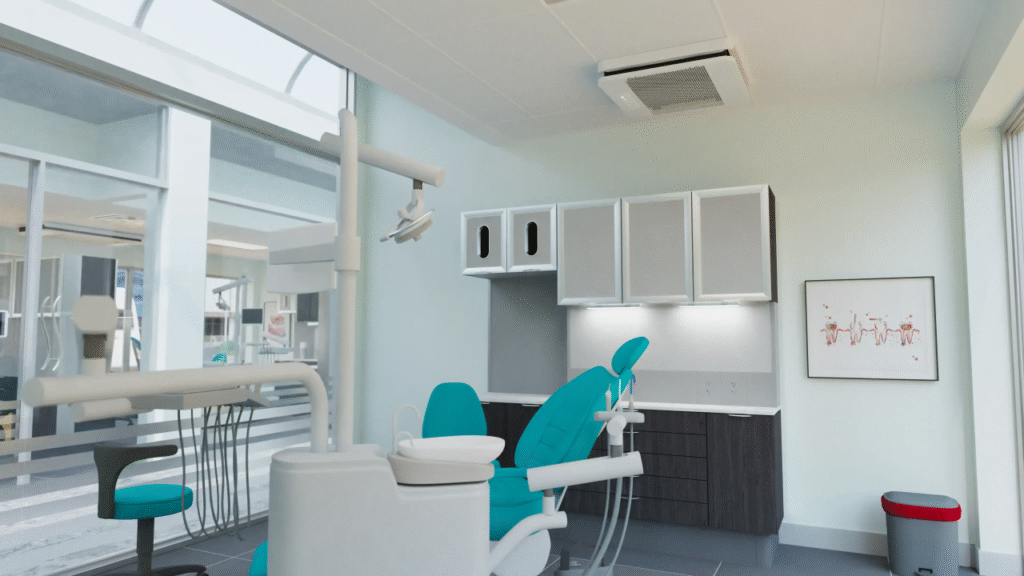
Why Is Air Filtration for Dental Offices Critical for Patient Safety?
Air filtration for dental offices has become a non-negotiable component of modern dental practices. Every dental procedure generates airborne contaminants that can linger in the treatment room for hours. From mercury vapor released during amalgam removal to bacteria and viruses produced by dental scalers, the air in dental settings carries significant health risks for both patients and personnel.
The right air purification system creates a safe environment that protects everyone in your office. Whether you’re concerned about infection control, staff health, or regulatory compliance, understanding indoor air quality in dental clinics is important for making informed decisions. This comprehensive guide explores everything you need to know about selecting and maintaining effective air filtration for dental offices.
Understanding Air Quality Challenges in Dental Practices
Dental offices face unique air quality challenges. During routine dental procedures, high-speed dental scalers and ultrasonic instruments produce microscopic droplets and aerosols containing saliva, blood, bacteria, viruses, mercury vapor, airborne contaminants, and chemical fumes from disinfectants that cause respiratory irritation.
Research from the Centers for Disease Control and Prevention shows dental aerosols can travel up to 20 feet from the patient’s mouth, contaminating surfaces and air throughout the office. Without proper air cleaning systems, these contaminants circulate through your HVAC system, spreading from the treatment room to the waiting room. This evidence demonstrates why dentists must be responsible for addressing air quality concerns.
Most dental practices rely on existing HVAC systems for ventilation, but standard heating and ventilation systems aren’t equipped to handle dentistry-specific challenges. Traditional HVAC filters typically capture only larger particles, allowing bacteria, viruses, and fine particulates to pass through. The American Dental Association emphasizes that dental practices need supplemental air purification beyond standard HVAC capabilities—a view supported by millions of medical professionals worldwide.
How HEPA Air Purifiers Protect Dental Offices
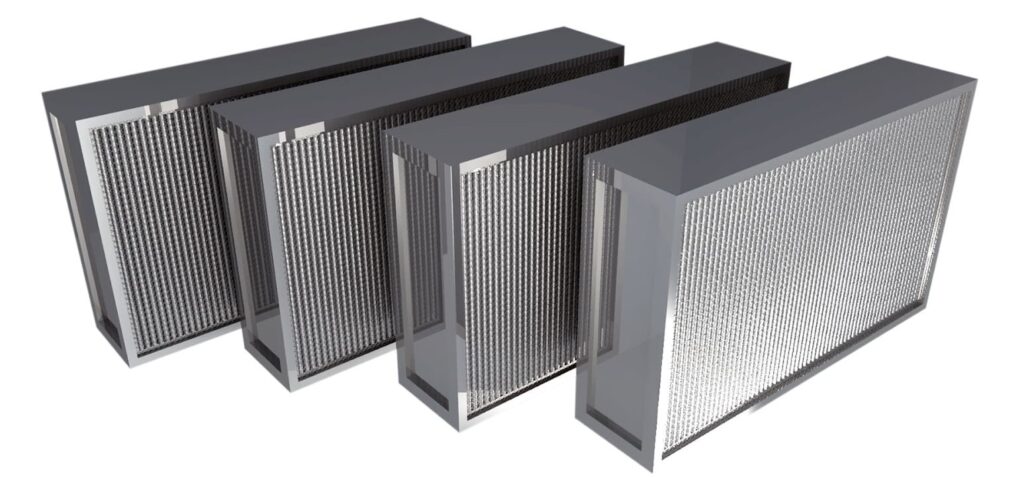
HEPA air purifiers represent the gold standard for air filtration for dental offices. HEPA (High-Efficiency Particulate Air) filters capture 99.97% of particles as small as 0.3 microns—including most bacteria, many viruses, and dangerous airborne contaminants. This makes them ideal for medical and dentistry applications where air quality is critical.
| Contaminant Type | Particle Size | HEPA Filter Efficacy |
| Bacteria | 0.5-5 microns | 99.97%+ |
| Most Viruses (airborne) | 0.3-1 micron | 99.97%+ |
| Dental Aerosols | 0.5-10 microns | 99.97%+ |
| Mold Spores | 3-40 microns | 99.99%+ |
When properly installed, HEPA air purifiers create continuous air purification cycles that significantly reduce airborne contamination. Units with sufficient power exchange room air multiple times per hour—a result that dramatically lowers concentrations of germs and pathogens. Studies published in the Journal of Dental Research demonstrate that dental offices using air filtration systems see up to a 90% reduction in airborne bacterial counts within minutes. Let’s talk about why this matters for your practice.
Best Air Purifier Features for Dental Settings
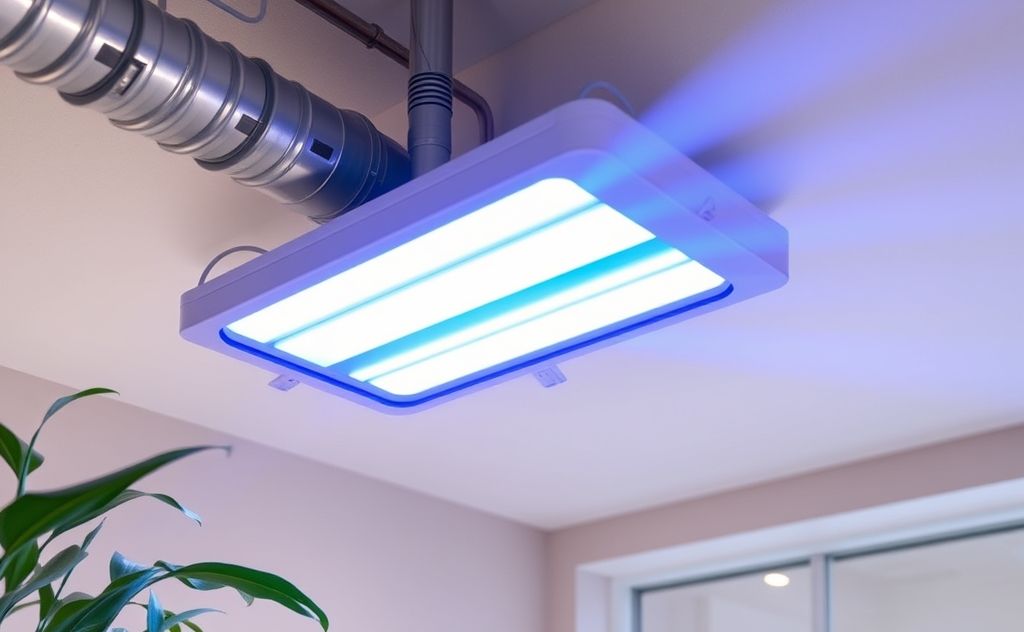
Not all air purifiers are created equal. Dental offices require specific features to effectively address unique challenges. When making your selection, the best air purifier for dental settings features multiple filtration stages:
- Pre-filter: Captures large particles and extends HEPA filter life
- HEPA filter: Removes bacteria, viruses, and fine particulates
- Activated carbon filter: Absorbs mercury vapor, chemical fumes, and odors
- UV-C light (optional): Provides additional disinfection
Many quality products on sale today offer these features. When shopping, look for units that fit your space requirements and are easy to plug in and operate. The ideal system should integrate seamlessly into your treatment room without disrupting workflow.
Air Purifier Comparison Table
| Feature | Portable HEPA Units | Built-In HVAC Upgrades | Negative Pressure Systems |
| Installation Cost | $500-$2,000 | $3,000-$10,000 | $10,000-$30,000+ |
| Effectiveness | High in single rooms | Moderate facility-wide | Highest for isolation |
| Maintenance | Easy filter change | Professional service | Complex |
| Flexibility | Highly portable | Permanent | Fixed |
Calculate your treatment room square footage and choose units designed for at least 4-6 air exchanges per hour. Most dental practices benefit from portable HEPA air purifiers in treatment rooms supplemented by enhanced HVAC filtration in common areas. A lot of dentists find this combination offers the best protection.
Creating a Comprehensive Air Quality Strategy
The most effective approach combines multiple systems. Your HVAC system provides temperature control and general ventilation, but standard HVAC filters capture only 20-85% of particles. According to ASHRAE guidelines, dental facilities need supplemental air cleaning systems for optimal infection control—advice supported by decades of evidence in medical settings.
A comprehensive strategy includes:
- Enhanced HVAC filtration: Upgrade to MERV 13-16 filters with regular HVAC filter replacement
- Dedicated air purifiers: Install HEPA air purifiers in each treatment room
- Negative pressure: Consider for oral surgery or high-aerosol procedures
- Regular monitoring: Test air quality to verify system efficacy
This layered approach, recommended by Callidus Air, addresses both general indoor air quality and procedure-specific contamination. Understanding how to improve indoor air quality creates a healthier workplace and is an important part of every dentist’s job in protecting patients and staff.
Key Benefits of Air Cleaners for Dental Procedures
Air filtration for dental offices dramatically reduces infection risk. Patients breathe air contaminated by dozens of others throughout the day. Staff face even greater exposure, spending eight hours daily in contaminated environments. Studies show dental personnel have higher respiratory issue rates compared to the general community—a comment frequently made by occupational health experts when they talk about dentistry risks.
Primary Benefits:
- Reduced infection transmission: Lower risk of spreading bacteria and viral pathogens between patients
- Improved staff health: Fewer respiratory problems and sick days
- Enhanced patient confidence: Visible commitment to creating a safe environment
- Regulatory compliance: Meet CDC, OSHA, and state dental board standards
Multiple regulatory bodies now recommend or require enhanced air purification in dental settings. The FDA has issued infection control guidance, while OSHA includes air quality standards in its requirements for dental clinics. Implementing robust air cleaning systems demonstrates commitment to patient safety—a powerful marketing advantage. From this view, investing in air quality offers significant returns for millions of dental practices nationwide.
Choosing the Right Air Purification System
Every dental office has unique requirements based on size, patient volume, procedures performed, and existing ventilation. Before making a purchase, measure each treatment room and waiting room, determine ceiling height, count simultaneous procedures, and identify rooms with poor ventilation. This assessment is important for making the right choice.
When evaluating products for sale, prioritize these features:
- Noise level: Below 50 decibels for treatment rooms
- Filter replacement indicators: Automated alerts for maintenance
- Energy efficiency: Energy Star-rated devices reduce power costs
- Coverage area: Match unit power to room space
Budget Considerations Table
| Budget Tier | Price Range | Best For |
| Entry Level | $300-$800 | Solo practices, waiting rooms |
| Mid-Range | $1,000-$3,000 | Multi-chair practices |
| Professional | $5,000-$15,000 | Large dental clinics |
| Enterprise | $20,000+ | Hospitals, dental schools |
Remember filter replacement costs: budget $100-$500 annually per unit, depending on usage. Many practices use portable HEPA air purifiers initially, then invest in installed systems as they grow. If you need expert advice on which system will fit your specific needs, don’t hesitate to request a consultation.
Implementation and Maintenance Guidelines
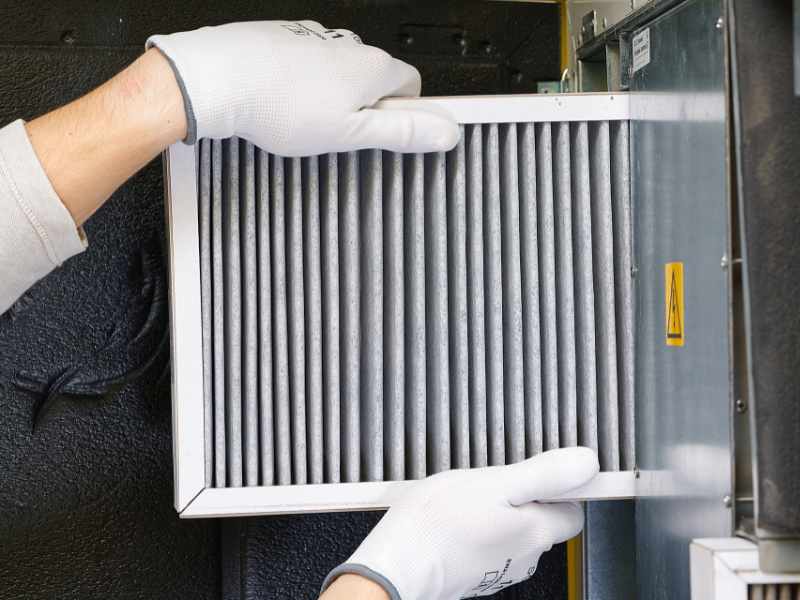
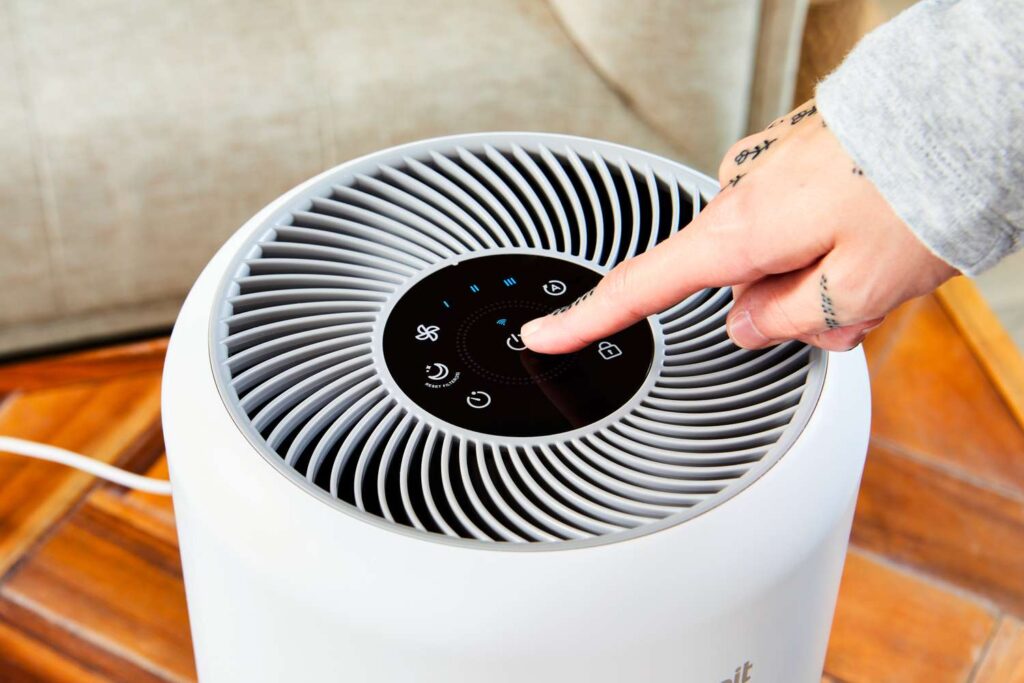
Proper placement dramatically affects performance. In treatment rooms, position units close to the patient’s head—within 6 feet—at chair height or slightly above. Avoid blocking air vents, keep away from walls impeding airflow, and never place directly facing the patient. Most units simply plug into standard outlets, making installation straightforward.
Maintenance Schedule:
- Monthly: Vacuum pre-filters, check for dust buildup, verify operation
- Quarterly: Inspect HEPA filters for damage, test airflow, and clean exteriors
- Annual: Replace HEPA filters, replace activated carbon filters, professional inspection
Air filtration for dental offices should complement existing infection control measures. Coordinate your air purification strategy with surface disinfection, high-volume evacuation during procedures, proper PPE usage, and patient scheduling, allowing time for air exchange between appointments. Being responsible for air quality means taking a comprehensive approach—the evidence shows this results in significantly better outcomes.
The CDC’s dental infection control guidelines provide comprehensive recommendations for integrating air cleaning systems while meeting IAQ standards. These medical standards help dentists understand their job in protecting everyone who enters their practice.
Cost-Benefit Analysis and Investment Value
While air filtration for dental offices requires upfront investment, returns extend beyond regulatory compliance. Direct cost savings include reduced staff sick leave (estimated $2,000-$8,000 annually per practice), fewer canceled appointments, lower HVAC maintenance costs, and potential insurance premium reductions. The result is impressive when you view the complete picture.
Indirect benefits include enhanced practice reputation, improved staff morale and recruitment, and reduced liability exposure. Many dental practices serving millions of patients report that quality air purification systems pay for themselves within 2-3 years through combined savings and practice growth—an important comment from practice management experts.
Financing options include equipment leasing, practice loans for safety improvements, manufacturer financing, and tax deductions for business safety equipment. When you’re ready to explore financing solutions, a simple request can open up multiple options.
Conclusion
Air filtration for dental offices has evolved from an optional enhancement to an essential infrastructure. The evidence is clear: proper air purification systems significantly reduce the risk of infection, protect staff health, ensure compliance, and enhance patient confidence. Whether you choose portable HEPA air purifiers, upgraded HVAC filters, or comprehensive integrated systems, taking action demonstrates commitment to providing a safe environment—a responsibility every practice must take seriously.
The right air filtration solution depends on your specific needs, budget, and goals. Don’t leave this critical decision to chance—expert advice ensures you select systems providing maximum protection and value. With millions of products available for sale, making the ideal choice requires professional guidance.
Ready to improve your dental office air quality? Contact Callidus Air today for a personalized consultation. Our specialists will assess your facility, recommend optimal solutions that fit your space and budget, and help create a cleaner, safer dental practice protecting patients and staff while supporting practice growth.
Frequently Asked Questions About Air Filtration for Dental Offices
Maintaining excellent indoor air quality in dental offices is essential to control airborne pollutants and protect both patients and personnel. This FAQ section answers common questions about air filtration systems, airborne particulates, and effective infection control in dental settings.
How often should I replace HEPA filters in dental office air purifiers?
Most HEPA filters in dental offices require replacement every 6-12 months, depending on usage intensity. High-volume practices performing numerous aerosol-generating procedures may need more frequent changes. Monitor your unit’s filter life indicator and replace when recommended to maintain efficacy. Pre-filters should be cleaned monthly and replaced every 3 months. This maintenance job is important for keeping systems working properly, and the result is consistent protection against airborne contaminants.
Can air purifiers eliminate the need for other infection control measures?
No. Air filtration for dental offices is one component of comprehensive infection control, not a standalone solution. Continue using high-volume evacuation during procedures, maintaining surface disinfection, wearing appropriate PPE, and following CDC guidelines. The evidence shows air purifiers significantly reduce airborne contamination but work best as part of multi-layered safety approaches. This view is shared by medical experts and dentists worldwide who understand that being responsible for infection control requires multiple strategies working together.
What size air purifier do I need for my dental treatment room?
Choose an air purifier rated for at least 1.5 times your room’s square footage to ensure adequate air exchanges per hour. A standard 10×12-foot treatment room (120 square feet) needs a unit rated for 180-200 square feet minimum. Consider ceiling height—rooms with ceilings above 8 feet require proportionally more powerful units for effective air purification. Finding the right fit for your space is important, and a lot of products on sale offer specifications to help you view which units fit your needs. If you need advice on sizing, contact an air quality specialist.
Do dental offices need activated carbon filters in addition to HEPA filters?
Yes, dental practices handling amalgam or using strong chemical disinfectants should use air purification systems with both HEPA and activated carbon filters. HEPA filters capture particles like bacteria and aerosols, but mercury vapor and chemical fumes are gases that pass through HEPA material. Activated carbon absorbs gaseous contaminants, providing comprehensive protection against irritation and harmful exposure. The evidence supporting this dual-filter approach is well-established in medical and dentistry literature. This makes combination systems the ideal choice for comprehensive airborne contaminants removal.
How can I verify my air filtration system is working effectively?
Monitor effectiveness through built-in air quality sensors if available, use professional-grade particle counters measuring airborne contaminants levels, schedule annual professional air quality testing, and maintain logs of filter changes and maintenance. You should notice improved air freshness and reduced odors when systems operate correctly. Professional assessment provides definitive answers and compliance documentation—an important result for regulatory purposes. If you have questions or want to request testing services, connect with air quality professionals who can offer expert evaluation. Simply contact them to talk about your specific situation and view available testing options.